
Welcome to St. Paul’s Christian Church
We are people of faith, following the ways of Jesus and growing in love for our Creator, our neighbors, and ourselves.
We pray for peace and justice for our world, and then, empowered by God’s Spirit, work to make those prayers a reality.
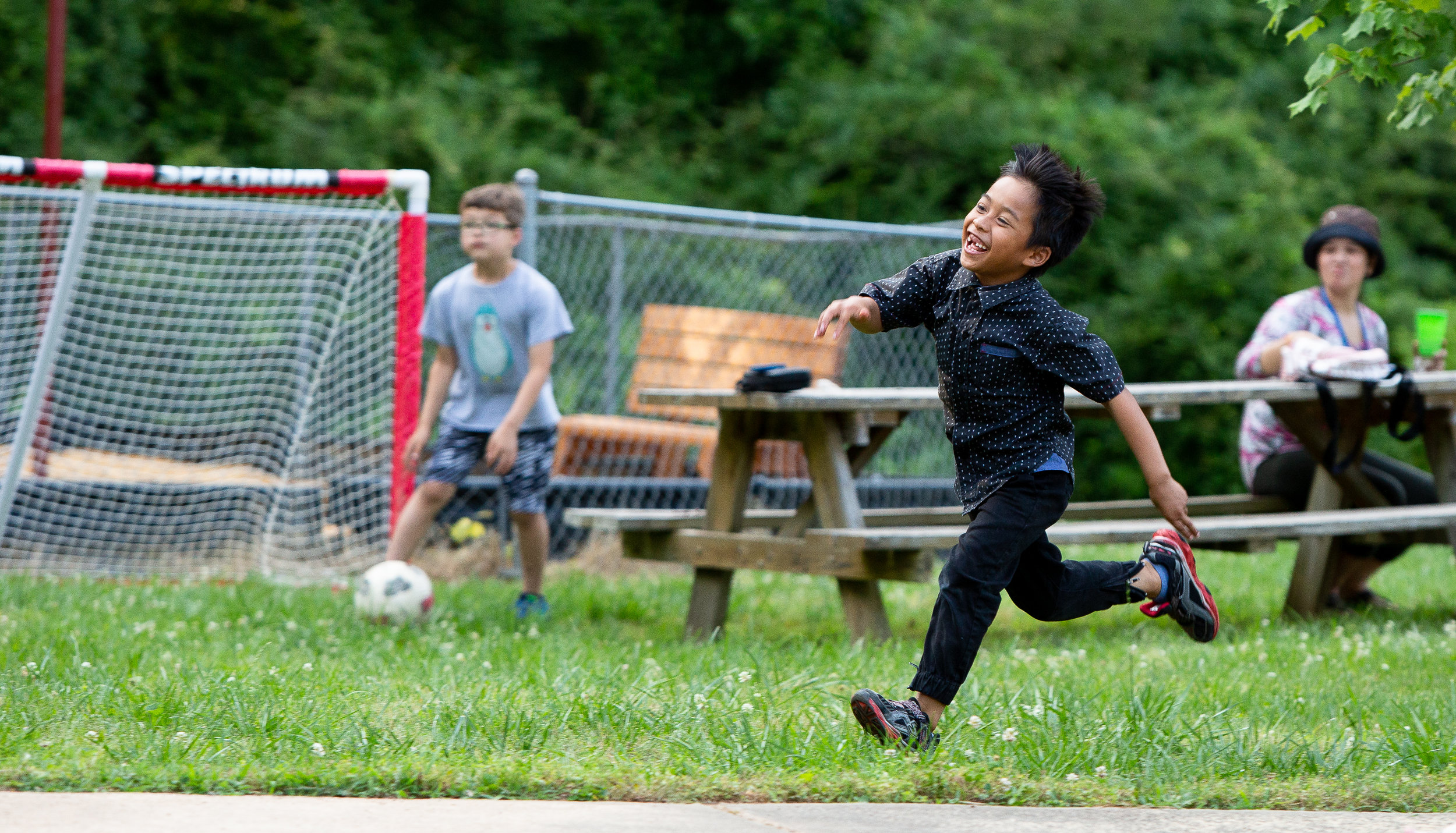
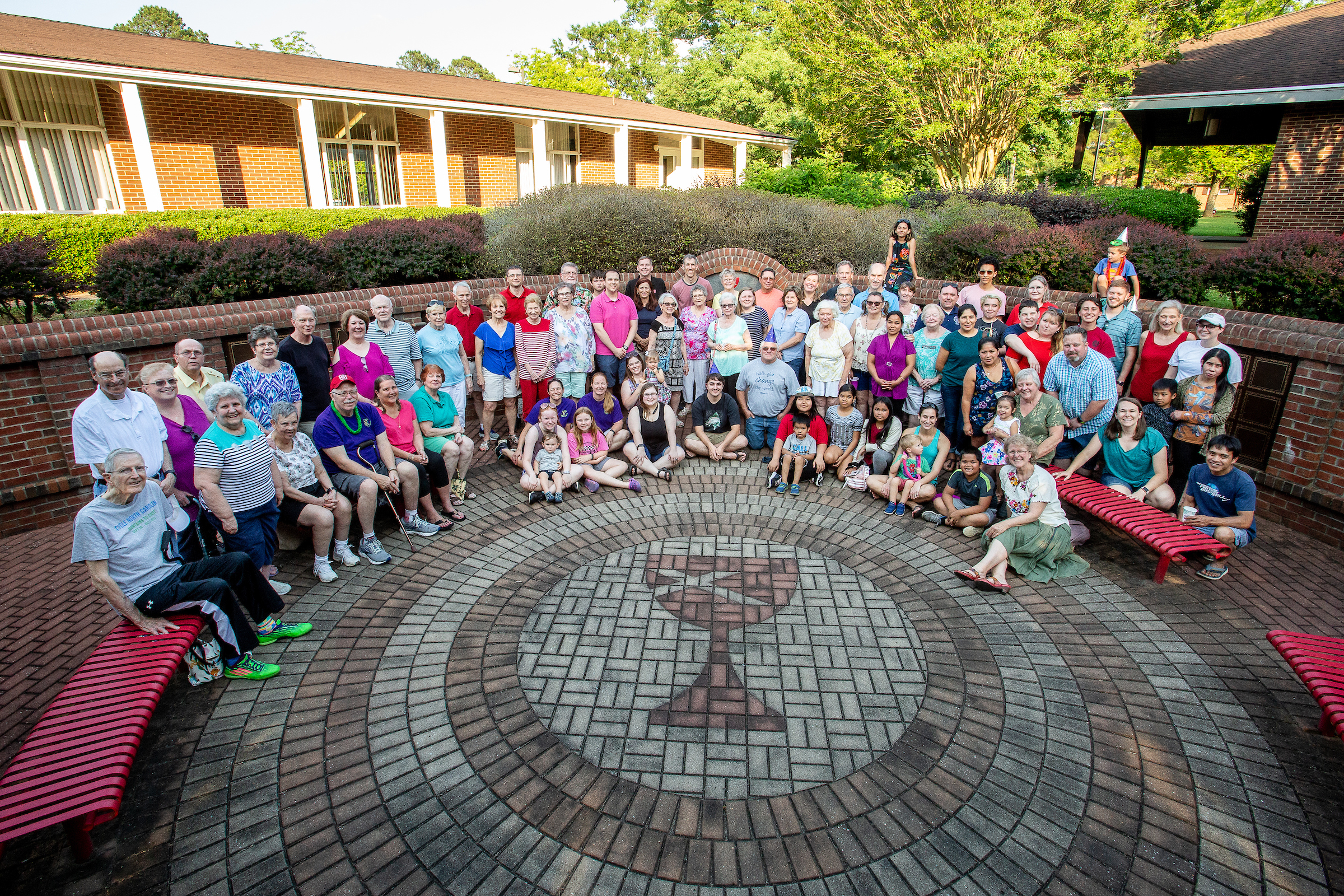
We are a community of refugees and Raleigh natives; some of our families built this church, some have joined along the way.
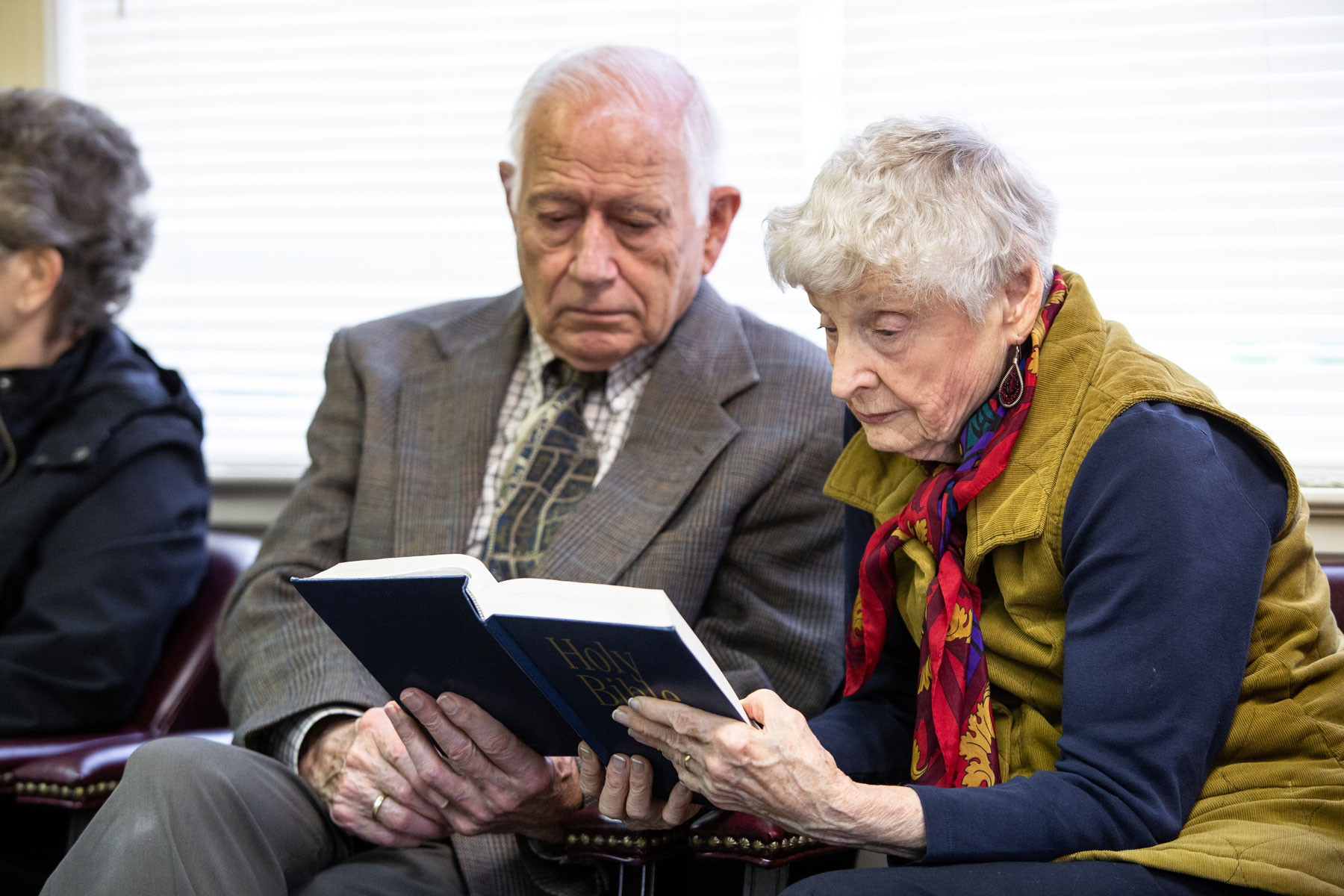
We are curious teenagers wrestling with our beliefs, and grandparents who nourish our faith through the study of Scripture and acts of service.
We are Habitat for Humanity volunteers and Habitat for Humanity homeowners, building a better community side by side.
We are gay and straight, cisgender and transgender; divorced, married, re-married, single and widowed.
We are teachers and poets; entrepreneurs and engineers; landscapers and lawyers; students and retirees.
We embody our faith by collecting canned goods for the local food pantry, donating to disaster relief, and partnering with indigenous communities in Guatemala.
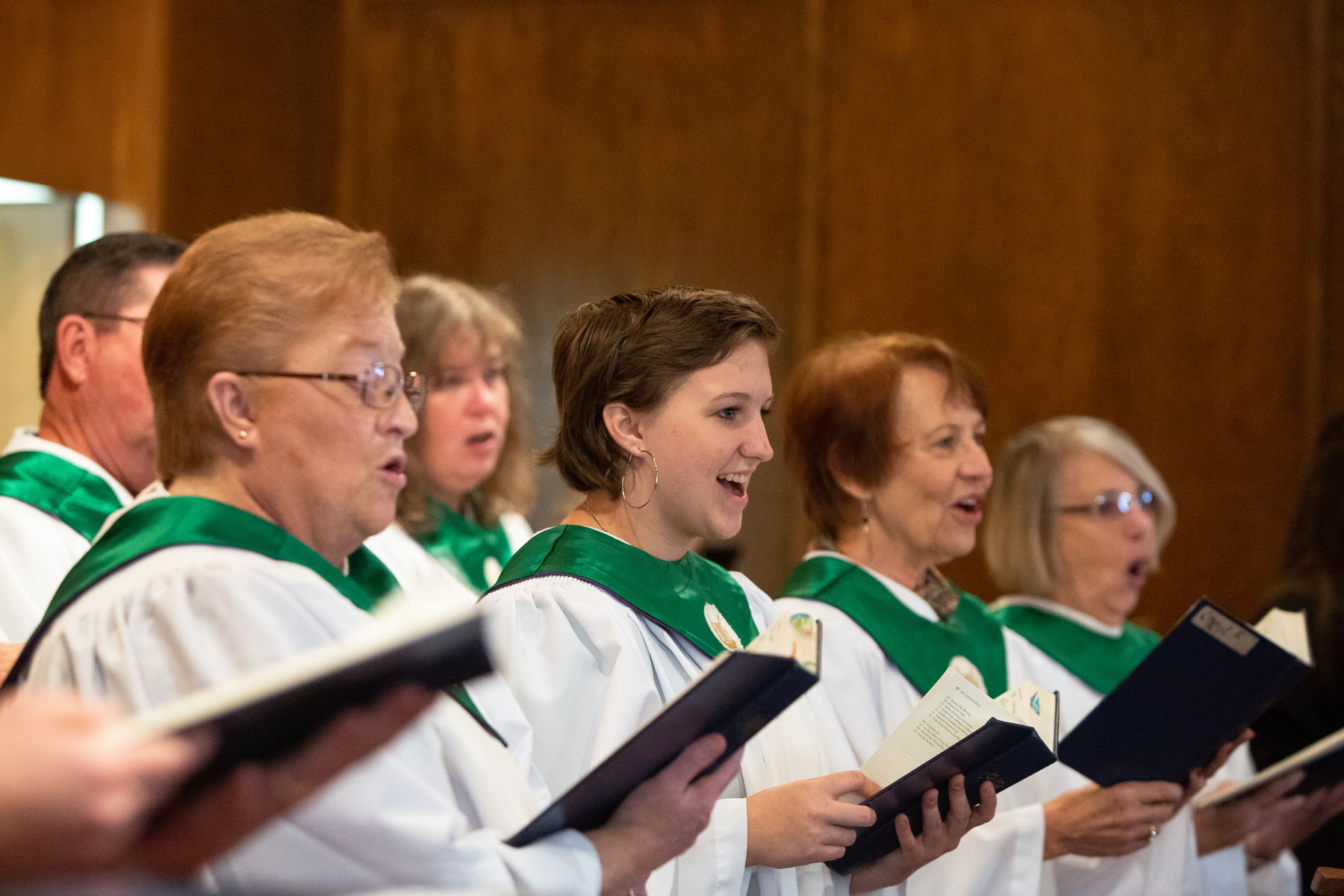
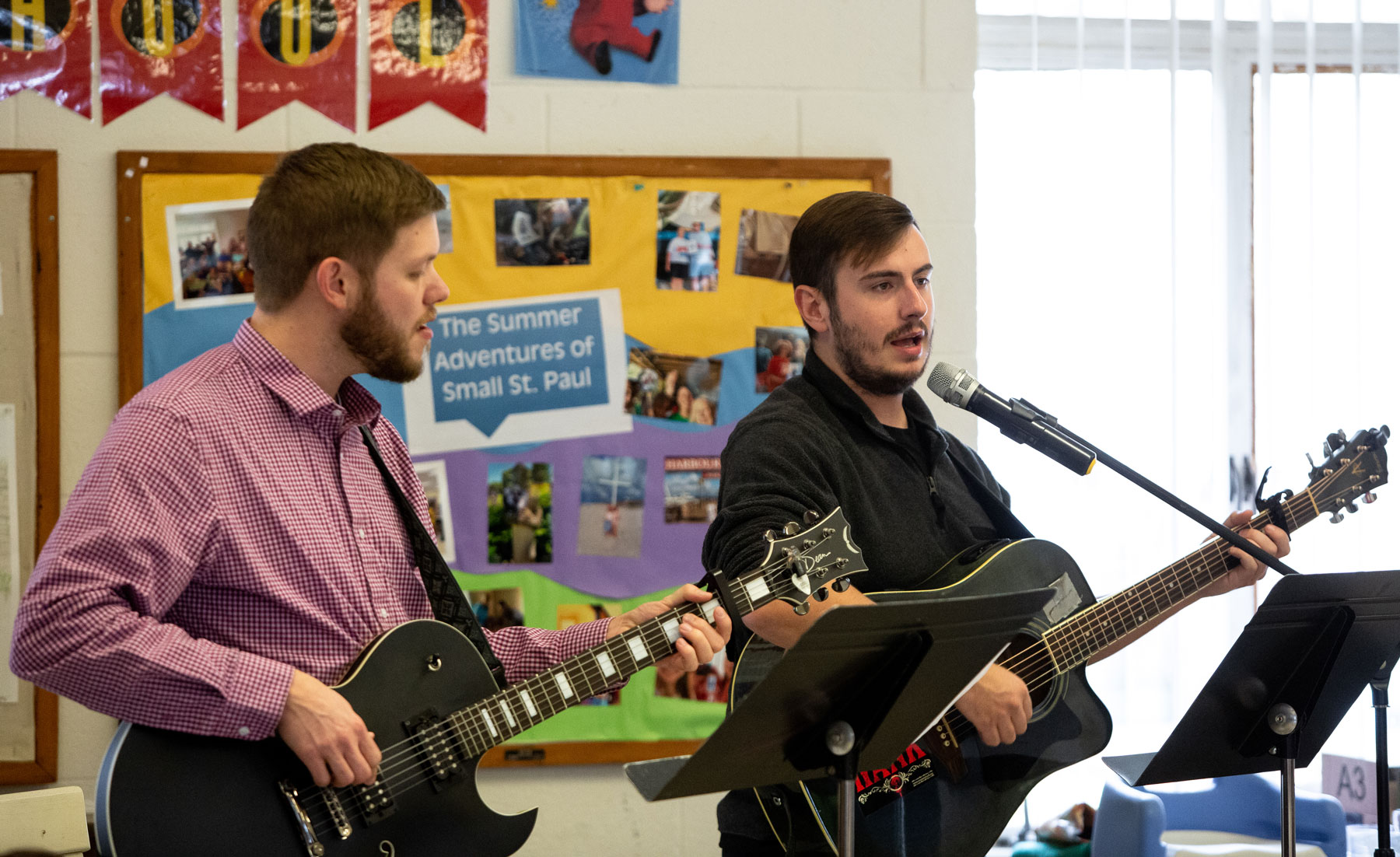
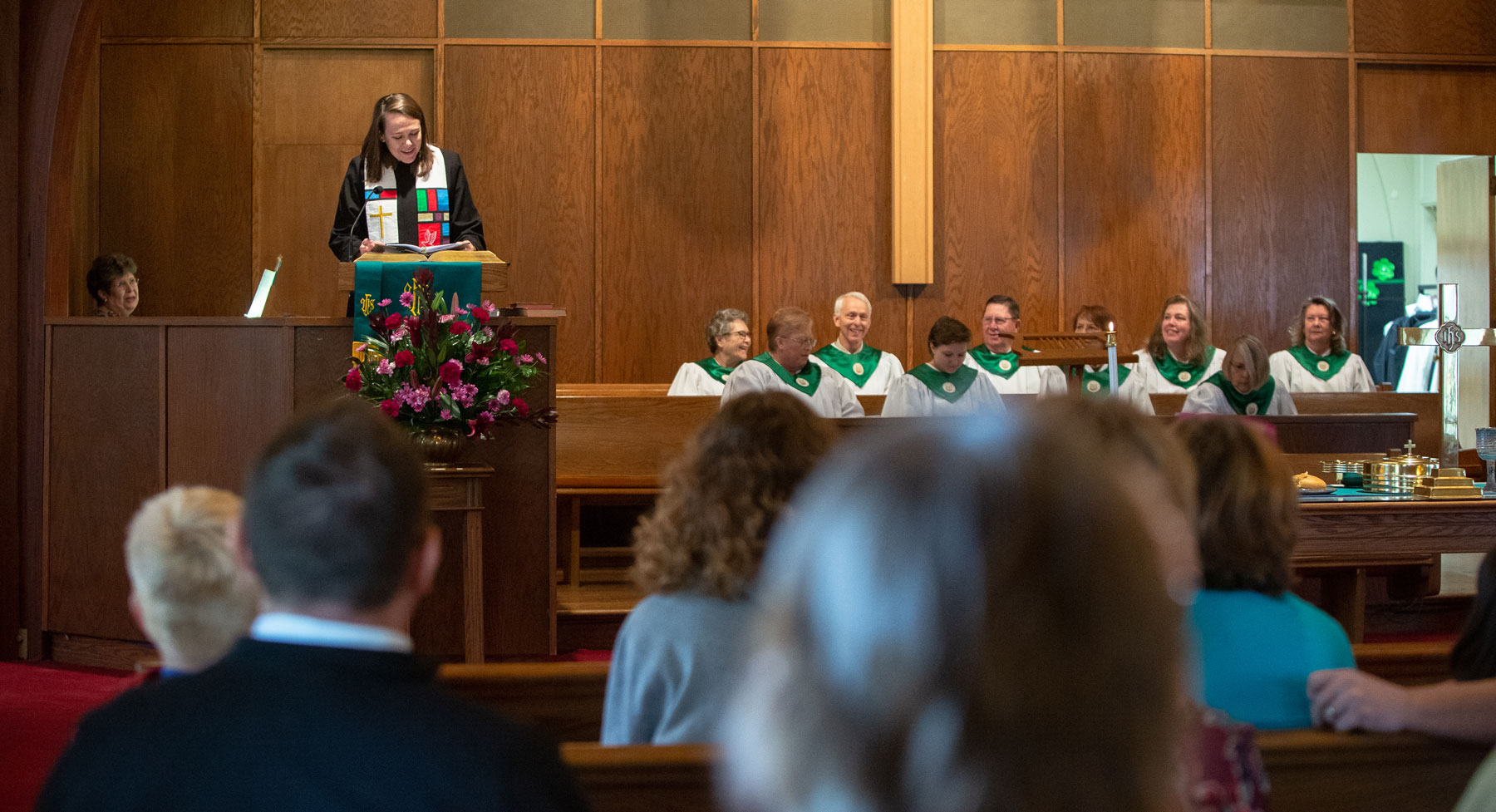
We worship God over brunch and praise songs, as well as through reverent stillness and hymns played on a pipe organ.
We bring both our hearts and our minds to the study of Scripture, and have more questions than answers.
We are a community of diverse theologies and political parties, and while we sometimes disagree,
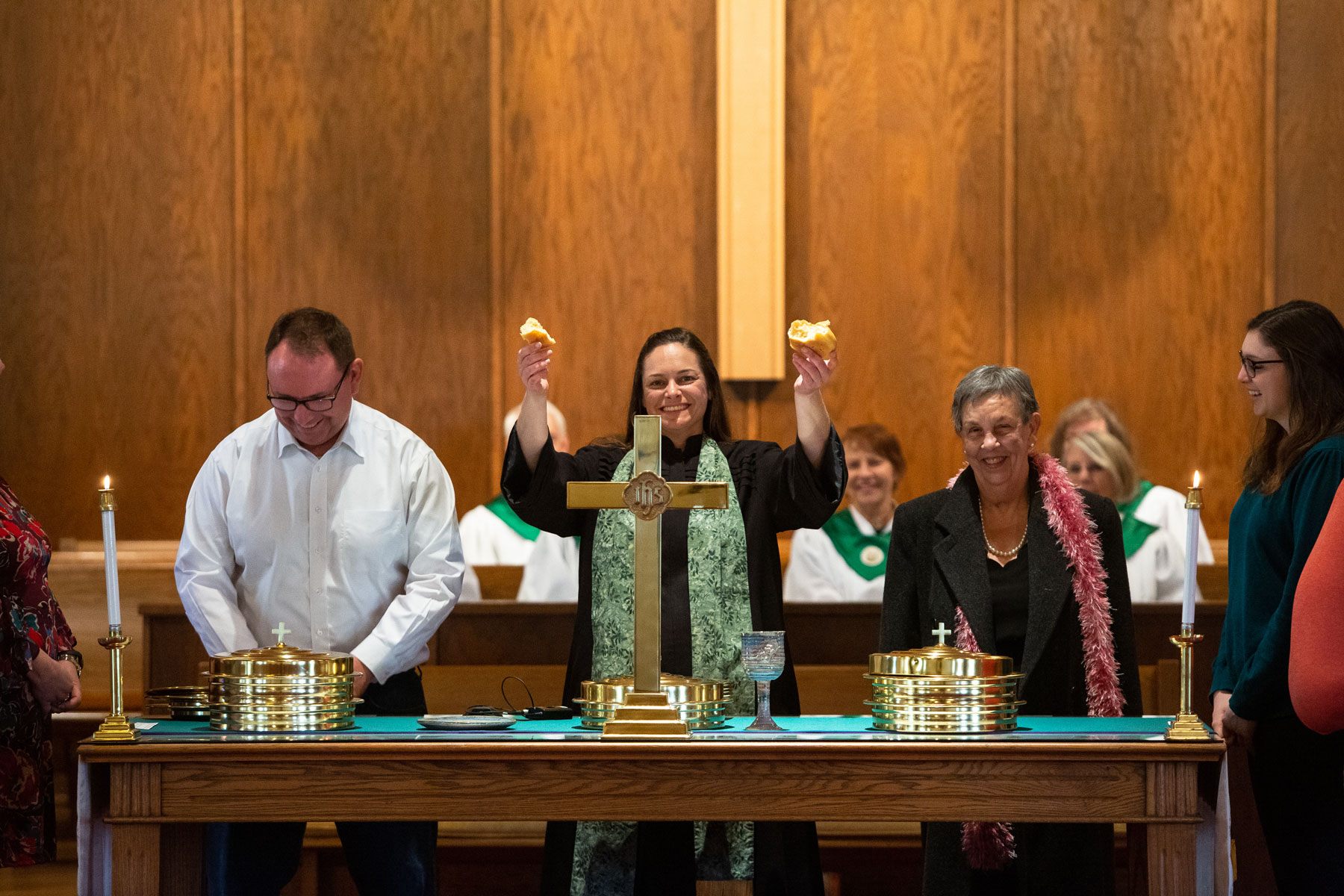
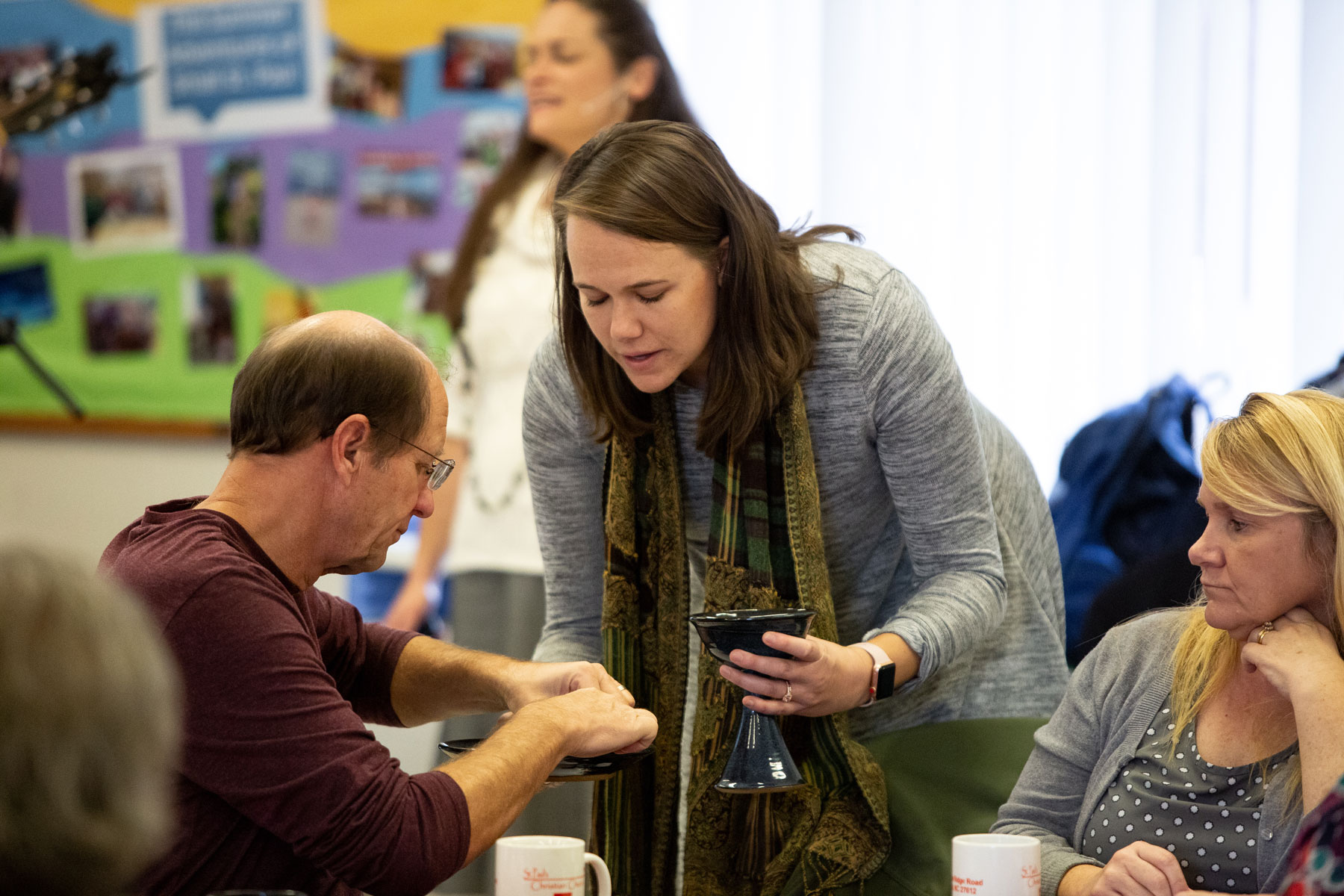
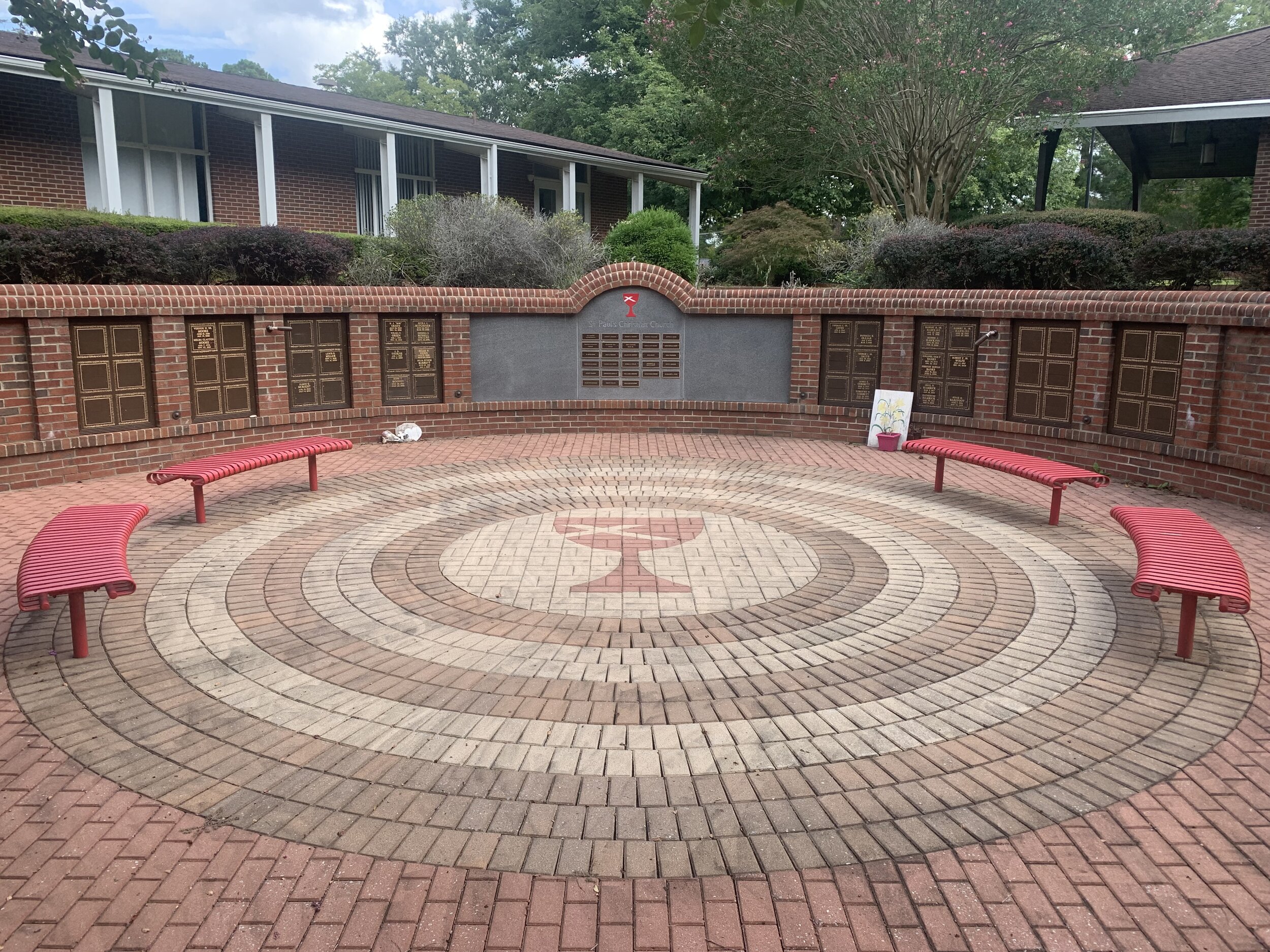
we practice communion every week as a reminder that ALL people are welcome at God’s table.
We are St. Paul’s Christian Church, and we welcome you to come be yourself with us.